🌿 Assessing Garden Soil Health is a Great Way to Achieve Better Results
Disclosure: This post contains affiliate links. If you purchase through these links, I may earn a commission at no additional cost to you.
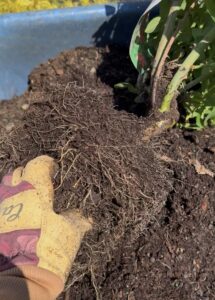
The most important “bone” in your garden is one you cannot see: the soil structure. With the surface clear, look at the earth itself. Is it compacted and grey, or is it dark and crumbly? Taking the time to learn how to test garden soil is part of being a knowledgeable gardener.
Before you add mulch or new plants, you must know what you are working with. A simple soil test can tell you if your pH is balanced or if you are lacking vital nutrients. This “deliberate” approach ensures you aren’t wasting money on fertilizers that your soil might not even need.
| 🌿 Sage Note: Soil is not all the same. What exists naturally on the earth is not the same as what you can purchase at the garden center. If you are an avid gardener you already know that there are many variations of soil quality and included nutrients. Testing your soil is a great way to know what you are dealing with so that you can alter as needed to meet the needs of your specific plants. |
🌿Tool Spotlight – Rapitest Soil Tester
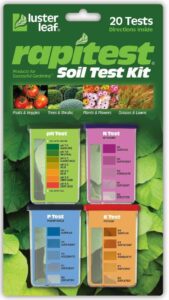
Before planting or adding amendments, understanding your soil is critical.
A simple meter gives you immediate feedback on moisture and basic pH, helping you make more informed decisions. Having the correct soil composition will determine how well your plants grow, bloom or produce veggies and fruit.
Why I love this – It turns guesswork into intention. It comes with full instructions on how to test garden soil
The Calm in the Clearing
While it feels like a chore, try to view the spring cleanup as your first formal conversation with your garden for the year. As you move through the beds, you’ll notice things you would otherwise miss: the first tiny tips of tulips breaking through, the way the light hits a certain corner, or a shrub that needs a bit more attention.
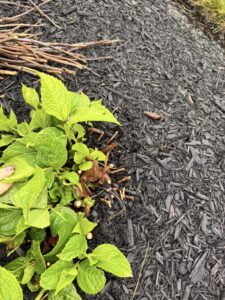
Cleaning the beds is a physical transition from the dormancy of winter to the activity of spring. It clears the mental clutter as much as the physical debris. When you finish, and you stand back to look at those dark, clean stretches of earth, you aren’t just looking at dirt—you’re looking at a canvas.
The next steps—amending, planting, and mulching—will be significantly more successful because you took the time today to do the “unexciting” work. You’ve removed the obstacles, and now, your garden is ready to grow.
The “Sage” Finish
Once your edges are cut and your stones are leveled, stand back and look at the geometry of your garden. You’ll find that the “bones” of the landscape provide a sense of peace and order long before the first flower opens. Knowing how to test garden soil could easily help make the difference with your crops.