🌿 The Art of the Cut: How to Prune Perennials in Spring
Disclosure: This post contains affiliate links. If you purchase through these links, I may earn a commission at no additional cost to you.
Even if you’re a few weeks into the season, this stage of the garden is still worth your attention—especially if you’re refining beds that have already begun to wake. If you’ve ever felt unsure about how much to cut back, you’re not alone—this is one of the most common early-season questions.
After the initial clearing of winter debris, your garden beds likely look clean, but perhaps a bit “stubble-filled.” This is the moment where many gardeners hesitate. Looking at the dried stalks of last year’s black-eyed Susans or the sprawling remains of ornamental grasses, the question is often: How far do I go?
At Sage and Seasons, we approach pruning not as a chore of removal, but as an act of liberation. Cutting back your perennials in spring (a key part of how to prune perennials) is how you signal to the plant that its dormant season has ended—and that it’s time to grow with intention. The first cut always feels like the hardest—but once you begin, the process becomes surprisingly intuitive. Follow these spring garden pruning tips.
The Advantage of Timing
The “Art of the Cut” is as much about timing as it is about technique. In most regions, late April into early May is the ideal window. You want to wait until the harshest frosts have passed, but act before the plant has spent too much energy pushing new growth through last year’s stems.
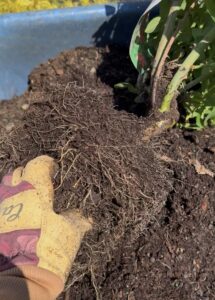
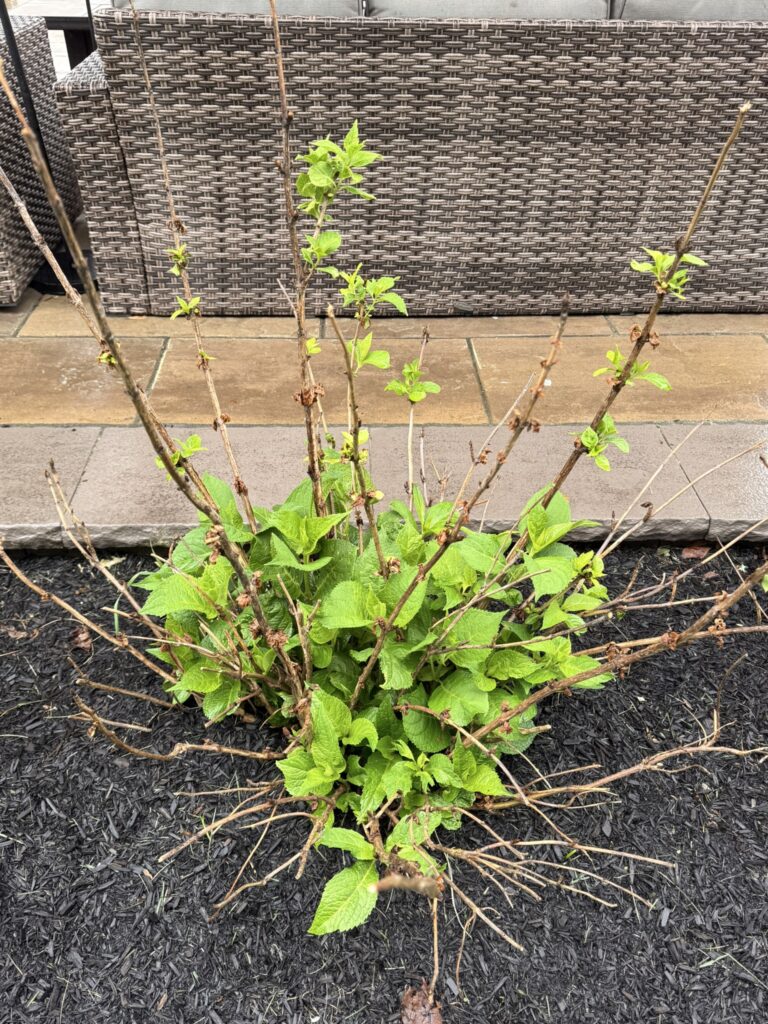
If you see small green shoots or “crowns” emerging at the base of the plant, you’ve reached the right moment. These are the plant’s future—your job is to remove the past so light and air can reach them. With hydrangeas, the last thing you want to do is remove last year’s stems if they are still alive—many varieties bloom on that older wood. I prefer to wait until very healthy new growth is visible so I can easily see what is not going to come back this year. In this case below you can clearly see that the shoots from last year will not yield any new blooms so it is safe to remove them now.
Proper Hydrangea Pruning
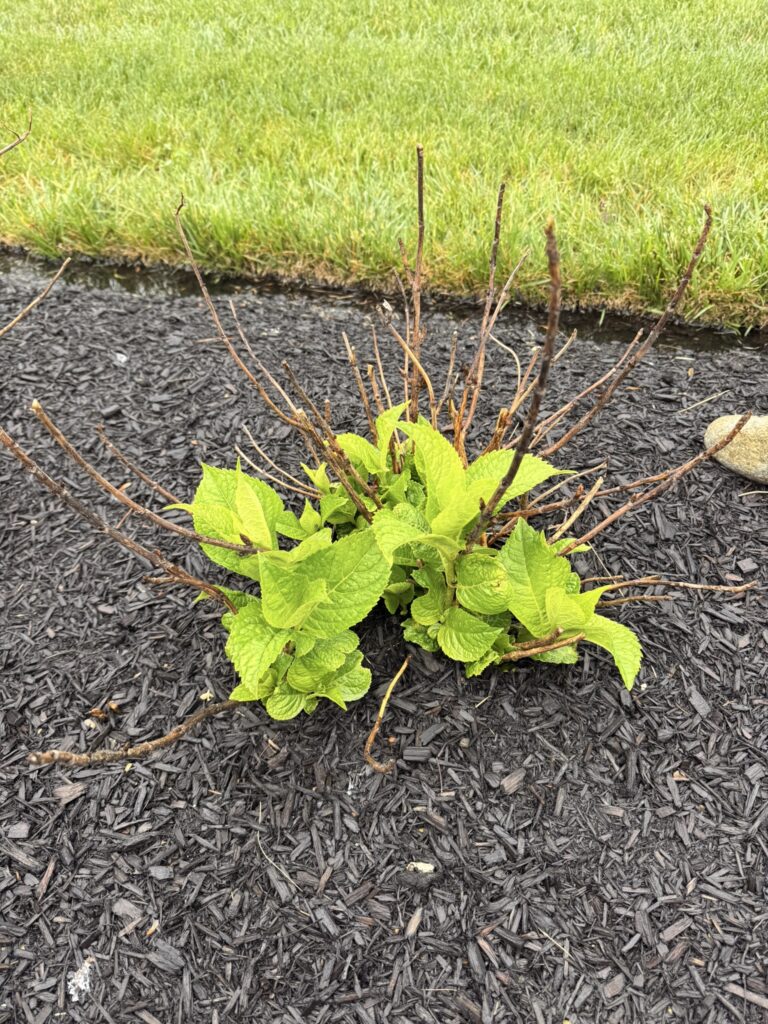
Before pruning — late April
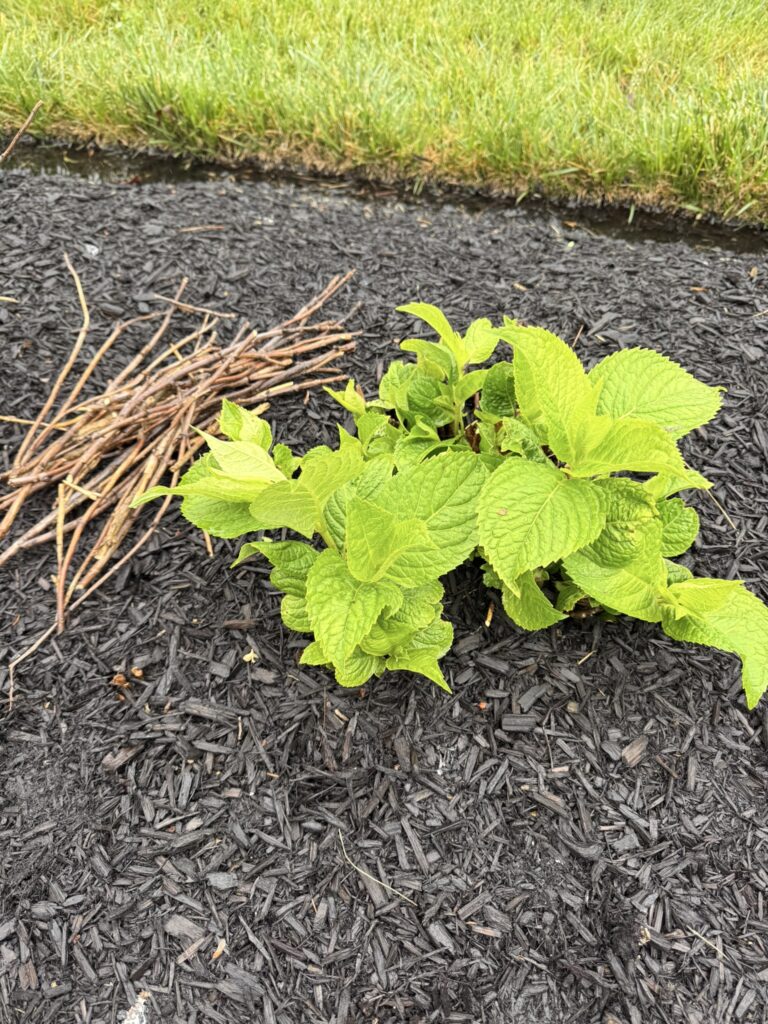
After pruning — same bed reset
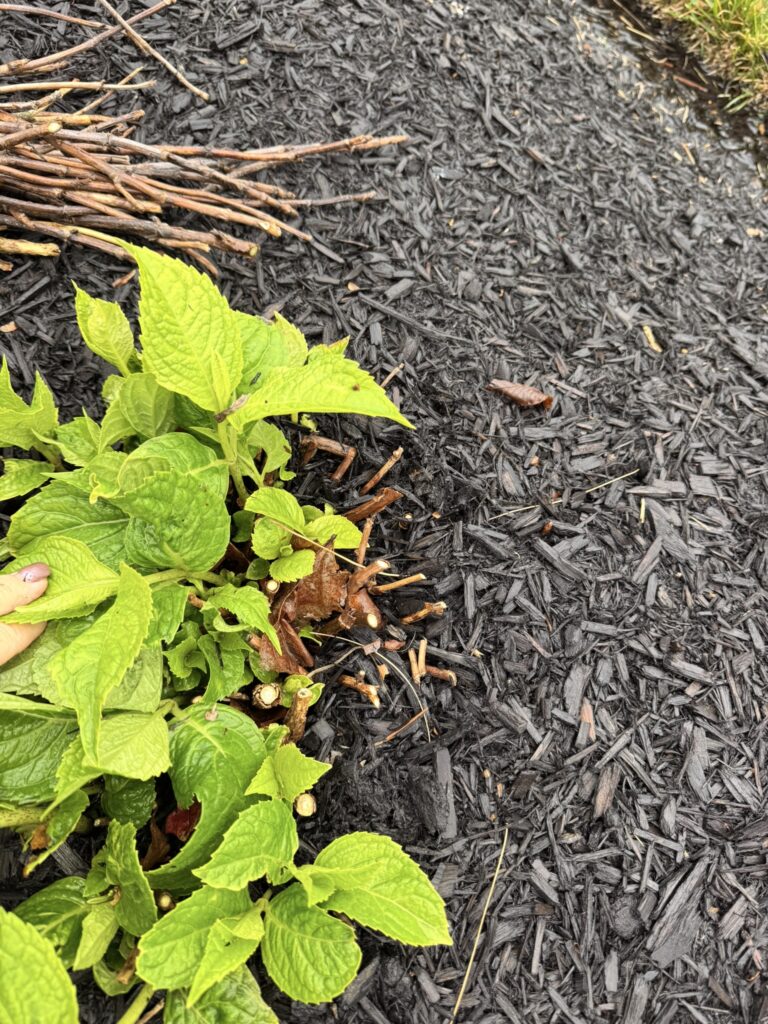
Cuttings removed — 2–3″ stubble remains
Technique: The Precise Prune
For most herbaceous perennials—those that die back to the ground each winter — the rule is simple: cut the dead material back to about 2–3 inches above the soil. Why leave those few inches? These remaining inches serve two purposes. First, they protect the crown from being stepped on or buried under mulch. Second, they act as a visual guide, helping you recognize where each plant is before new growth fully emerges.
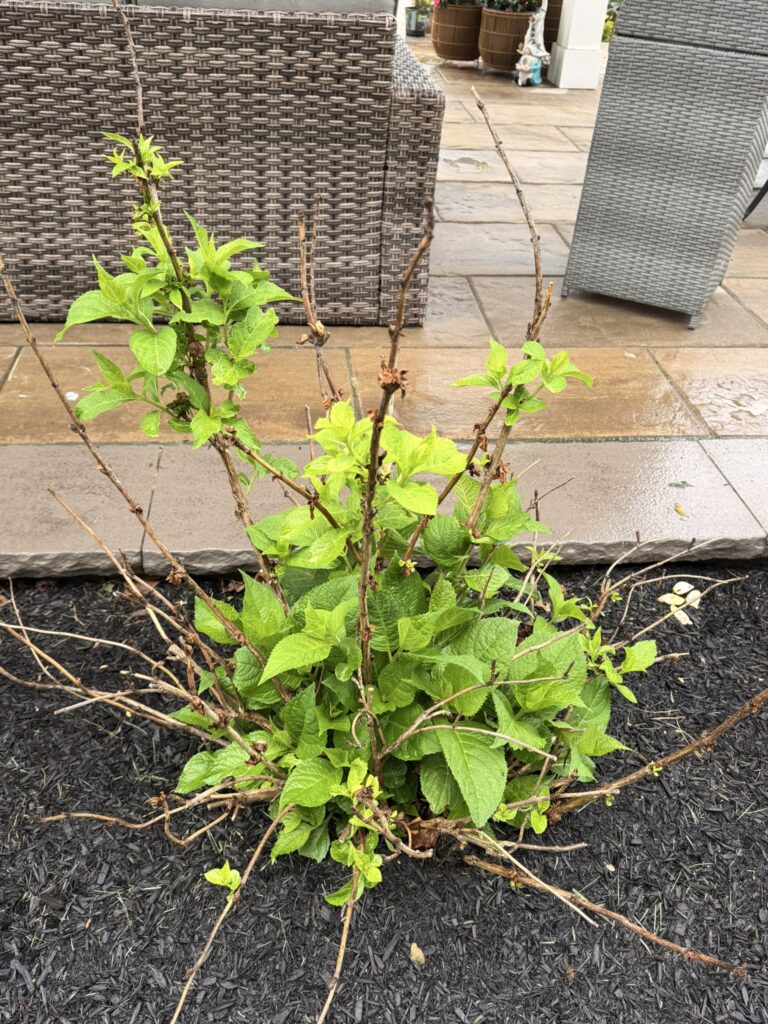
These hydrangeas grow along the back side of our pergola and receive more shade than other areas of the garden. Because of this, their growth pattern is slightly different—and they tend to perform better without full sun exposure throughout the day.
One thing to watch for is new growth emerging on last year’s stems. If you remove those too early, you may reduce the plant’s overall size and flowering potential. If your goal is to allow the shrub to mature and fill out over time, only remove what you can confidently identify as dead wood. I only remove stems that clearly show no signs of new growth.
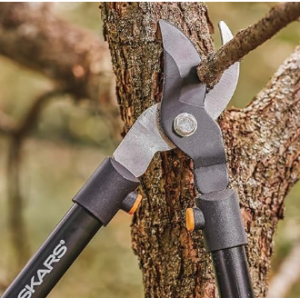
🌿 Tool Spotlight – Fiskars Bypass Pruning Shears

When making clean cuts at the base of perennials, the right tool makes all the difference.
Bypass pruners work like a pair of sharp scissors, slicing through stems cleanly without crushing them. This type of cut heals faster and reduces the chance of introducing disease into the plant.
👉 A precise cut here sets the tone for the plant’s entire season.
Handling Ornamental Grasses
Ornamental grasses require a slightly different approach. Bundle the tops with twine or a bungee cord before cutting—this keeps everything contained and makes cleanup far easier.
Then cut the entire bundle down to a neat mound, roughly 4–6 inches from the ground.
🌿 Tool Spotlight – Fiskars Power-Lever Extendable Hedge Shears
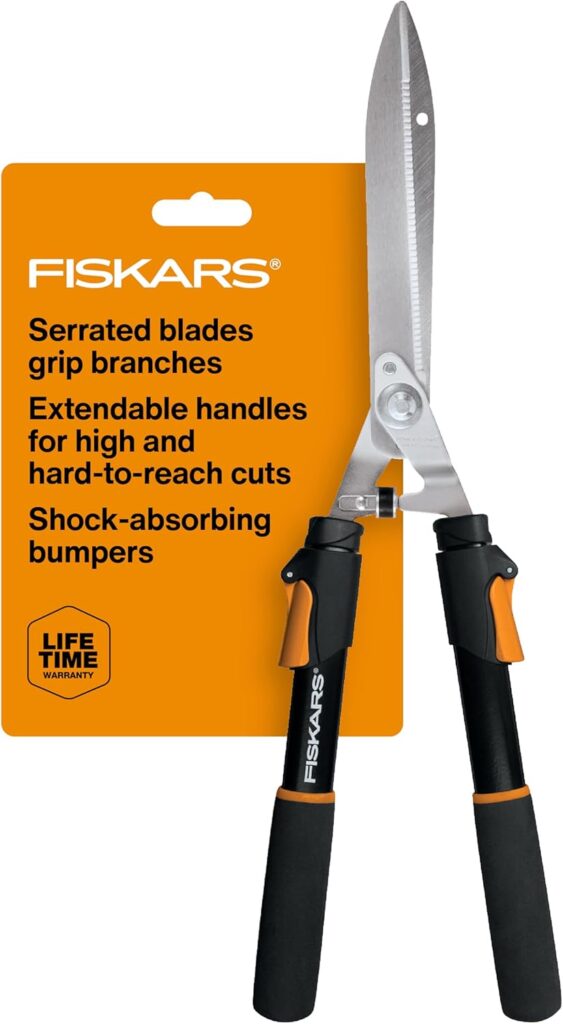
When dealing with dense ornamental grasses, a longer blade gives you both reach and control.
Instead of hacking through unevenly, you’re able to make a smooth, even cut across the entire bundle.
👉 It turns a messy task into a clean, deliberate reset.
The “Sage” Advice: Sanitation
Your tools are an extension of your hands—and they carry more than just motion.
Between plants, especially if you notice signs of mold or decay, wipe your blades with isopropyl alcohol. This simple habit prevents the spread of disease from one plant to another.
What’s Next?
With your perennials cut back and breathing, your garden is beginning to take shape again. The soft growth of spring is no longer competing with the remnants of winter.
Next, we shift from soft stems to strong structure—pruning shrubs and woody ornamentals, where the rules change and precision becomes even more important.